Unlocking the secrets of successful casino strategies Understanding the Basics of Casino Games Before diving…
Decoding the allure of casinos Understanding the psychology behind gambling
The Thrill of Uncertainty
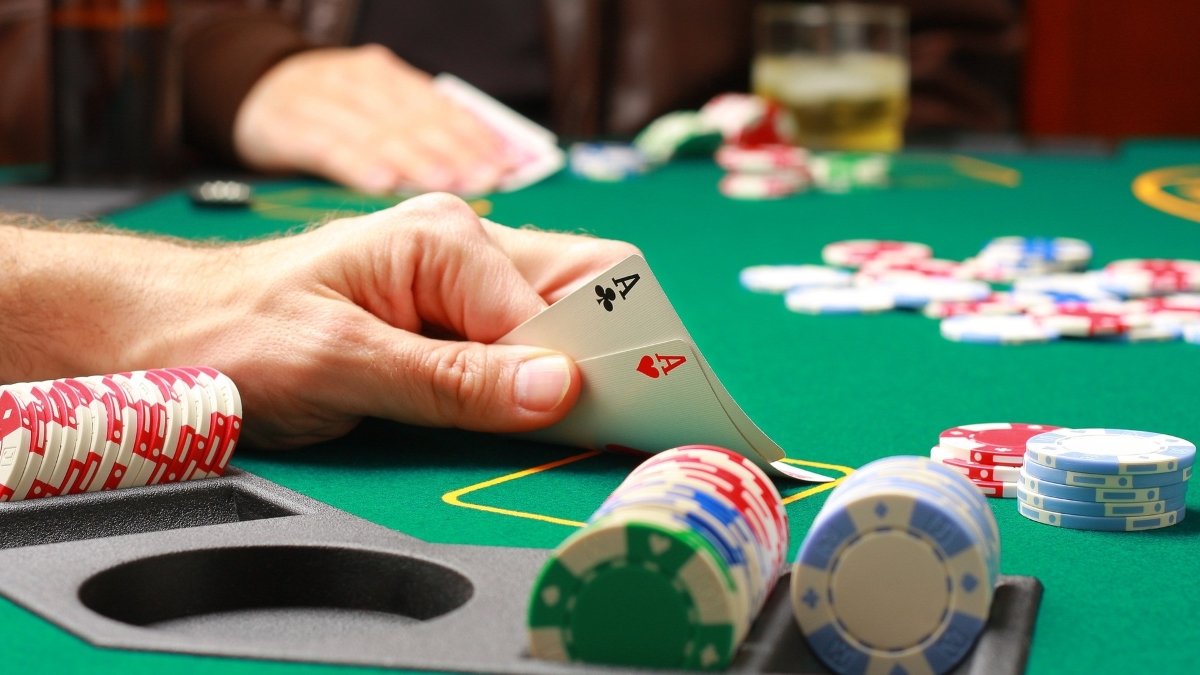
The allure of casinos lies significantly in the thrill of uncertainty, where players engage with games that hinge on chance. This unpredictability captivates individuals, prompting them to gamble in hopes of experiencing a rush of excitement. For instance, many people have enjoyed online poker for real money, highlighting the psychological stimulation that accompanies the unknown, which can create a powerful drive, encouraging players to participate even when they are aware of potential losses.

Moreover, the brain releases dopamine—a neurotransmitter associated with pleasure—when players win or are on the verge of winning. This reactive biological response reinforces the gambling behavior, creating a cycle of thrill and reward that keeps players coming back for more. In essence, the unpredictability embedded in gambling taps into a primal urge for excitement and risk-taking.
The Influence of Environment
The design and atmosphere of casinos play an integral role in enhancing the gambling experience. Bright lights, vibrant colors, and upbeat music conspire to create an immersive environment that stimulates senses and alters perceptions of time. This carefully crafted ambiance fosters a sense of euphoria, encouraging longer stays and increased betting activities.
Additionally, the absence of clocks and windows in many casinos is a deliberate tactic to detach players from reality. By manipulating the environment, casinos create a space where visitors lose track of time, reinforcing the cycle of gambling. This psychological manipulation serves to keep players engaged, often leading them to spend more than they initially intended.
The Social Aspect of Gambling
Gambling is not only an individual pursuit; it often holds a social component that attracts many to casinos. The communal experience of cheering for a winning hand or sharing in the thrill of a jackpot creates a sense of camaraderie among players. This social interaction boosts the enjoyment of gambling, making it more alluring and engaging.
Furthermore, the social dynamics in casinos can lead to peer influence, where an individual’s behavior may be swayed by others. Groups of friends or families often encourage each other to gamble more, amplifying the excitement and the risks associated with it. The interactive nature of gambling adds a layer of enjoyment that further solidifies its appeal.
Addiction and Its Psychological Roots
The potential for gambling addiction is a serious concern, as the psychology behind gambling can lead individuals down a dangerous path. Factors such as escapism, the thrill of winning, and the psychological effects of loss can create an unhealthy relationship with gambling. For some, casinos become a means of coping with stress or emotional turmoil, providing a temporary escape from reality.
Understanding the psychological roots of addiction is essential to addressing the risks associated with gambling. Awareness of triggers and behaviors can help individuals manage their impulses better, and recognizing when gambling ceases to be a source of enjoyment can be crucial in preventing addiction.
The Role of Information and Resources
At csinvesting.org, users can access valuable information and resources regarding gambling, its psychological implications, and responsible gaming practices. The site is dedicated to promoting a secure and informative environment, ensuring that individuals can make educated decisions regarding their gambling habits.
Despite current access issues due to security protocols designed to protect users, the commitment to providing guidance and support remains strong. Engaging with the resources available can empower individuals to understand the complexities of gambling, allowing them to navigate this alluring yet potentially dangerous world responsibly.